
Birding
More than 180 species have been recorded on the reserve, from iconic birds of prey to lesser-known local species. Spend some quiet time at the water’s edge and you’ll be rewarded with the tell-tale call of the iconic African fish eagle, while the flash and flitter of emerald-coloured sunbirds are common among the lodge gardens.

Nature Drives
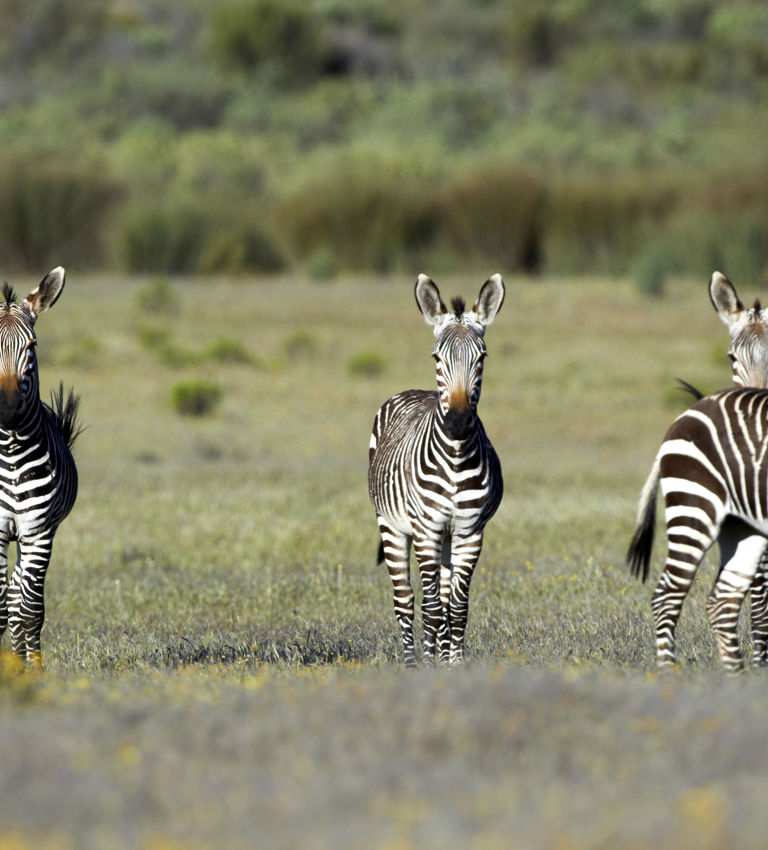
Bushmans Kloof protects one of the world’s largest private herds of Cape Mountain Zebra. In addition to this icon of the mountains, the wildlife reintroduction programme has also seen the return of the magnificent Red Hartebeest, Grey Rhebok and the Ostrich, as well as smaller creatures such as the Bat-Eared Fox, African Wildcat, Cape Fox, Caracal, and Cape Clawless Otter.
Indigenous plant species
Wildflowers
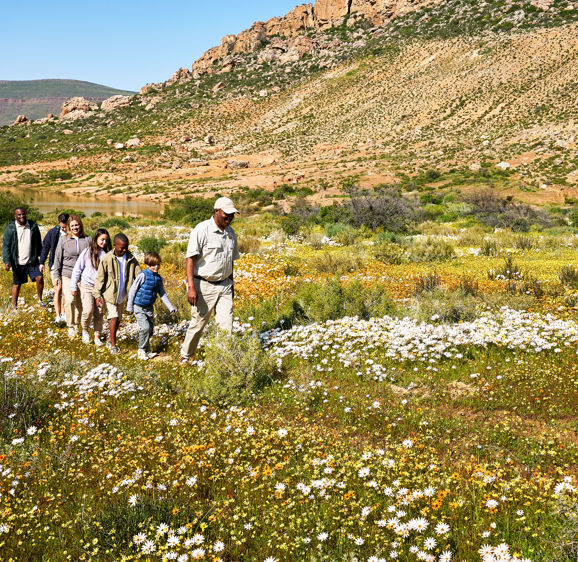
In the springtime (August to September) the region is world-famous for its dazzling display of wildflowers, daubing the landscape in a riot of colour. Though wildflower season transforms the reserve, there are botanical beauties to be discovered throughout the year, from the fabled Amaryllis Belladonna, or March Lilies, to delicate tubular flowers of colourful Ericaceae.
Fynbos
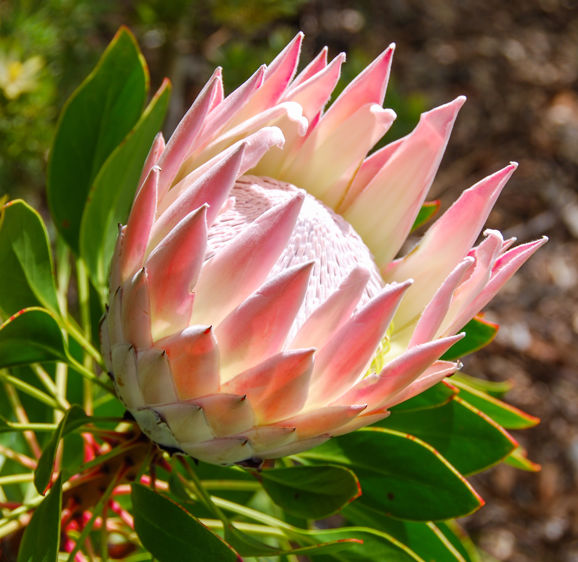
Bushmans Kloof’s fynbos forms part of the Cape Floral Region, a UNESCO World Heritage Site since 2004. Although it covers less than 0.5% of Africa, the region contains nearly 20% of the continent’s plant species. With three times the floral diversity of the Amazon and over two-thirds of its 9,000 species found nowhere else on earth, it is one of the planet’s richest centres of biodiversity.
The Clanwilliam Cedar
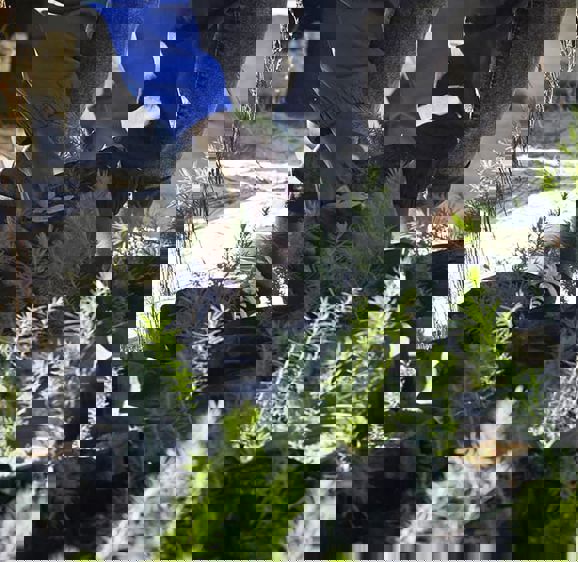
Endemic to the Cederberg and threatened by past logging, habitat loss and climate change, the Clanwilliam Cedar is close to extinction in the wild. Through its annual tree-planting event, Bushmans Kloof has helped plant more than 800 cedar trees, nurturing seeds in its nursery and planting mature seedlings in surrounding wilderness areas.
The Lodge
Surrounded by 7,500 hectares of pristine wilderness, the lodge is a gateway to the reserve’s rich natural beauty and ancient rock art heritage.
Discover more